• National Security
  • Tiqker

Quantum Clock Proves Ready for Underwater Operations

Context

Submarines cannot rely entirely on GNSS for timing and navigation. Clock drift can degrade accuracy during prolonged operations in GPS-denied environments.

Overview

Infleqtion integrated its Tiqker optical atomic clock into the Royal Navy’s Excalibur testbed submarine, marking the first deployment of a quantum optical atomic clock on an underwater autonomous vehicle.

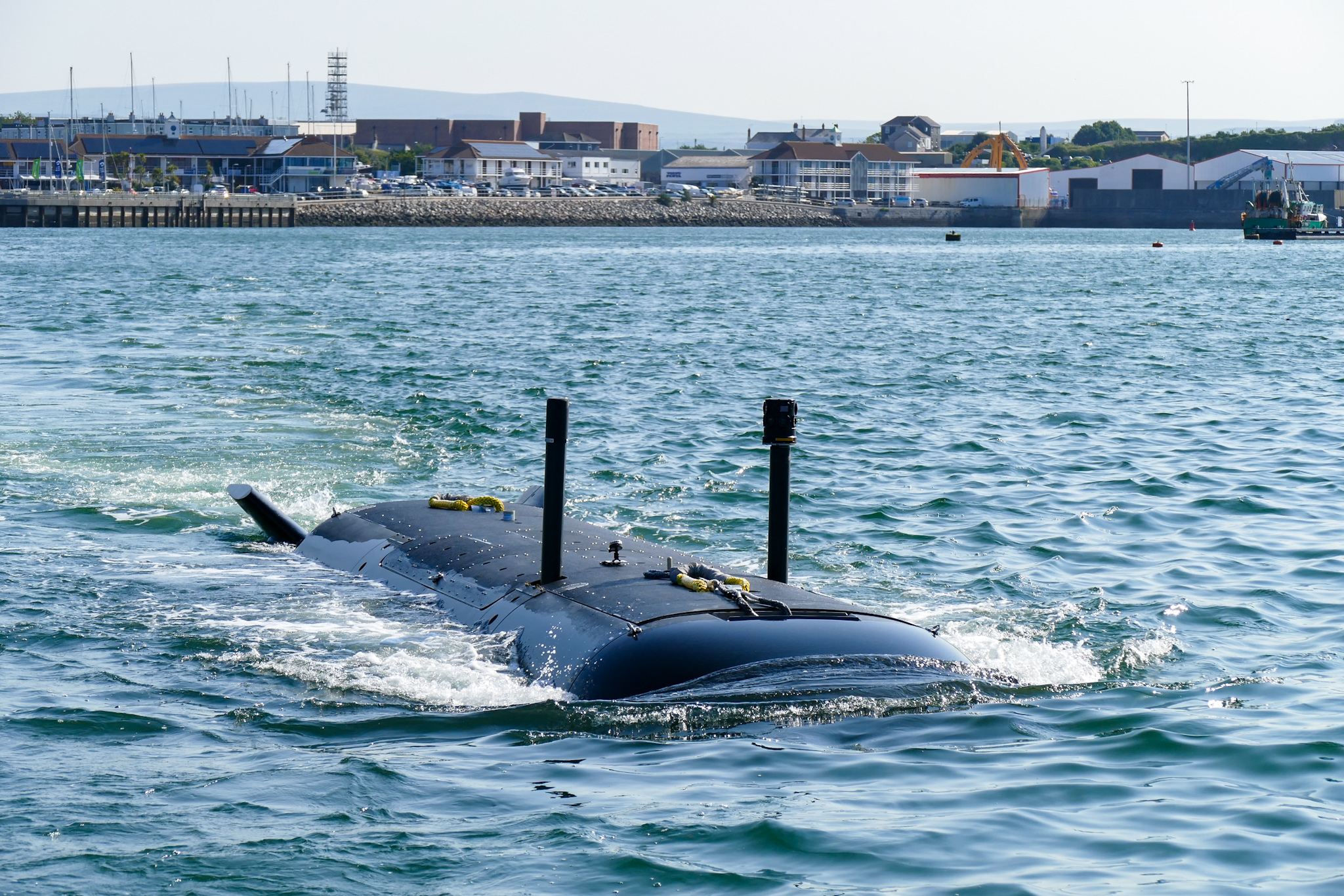
A submarine skims the water's surface in a harbor.

Key Problem

Underwater platforms need precise onboard timing to navigate, coordinate, and support critical systems without continuous access to external satellite signals.

  • First

    Quantum clock on an underwater vehicle

  • Multiple

    Dives completed during the trial

Timing Below the Surface

Tiqker supplied a steady onboard time reference intended to reduce the navigation drift that builds when submarines operate without GNSS.

Trial in Real Conditions

  • Integration - Tiqker was installed on the Excalibur XLUAV testbed.

  • Reliability - The clock operated during multiple dives.

  • Next step - Further benchmarking against high-grade time standards will follow.

Key Results and Findings

The trial confirmed Tiqker’s ability to operate reliably during multiple dives and validated its ruggedization for real-world naval deployment. It also established the feasibility of advanced quantum timing in challenging maritime conditions.

Implications

More stable local timing can help underwater platforms remain submerged, accurate, and hidden for longer periods. The same onboard reference can also support sonar, fire control, and secure communications.


Put Quantum to Work

Talk with our team about the quantum systems and software that fit your mission, infrastructure, or research priorities.

Talk to an Expert