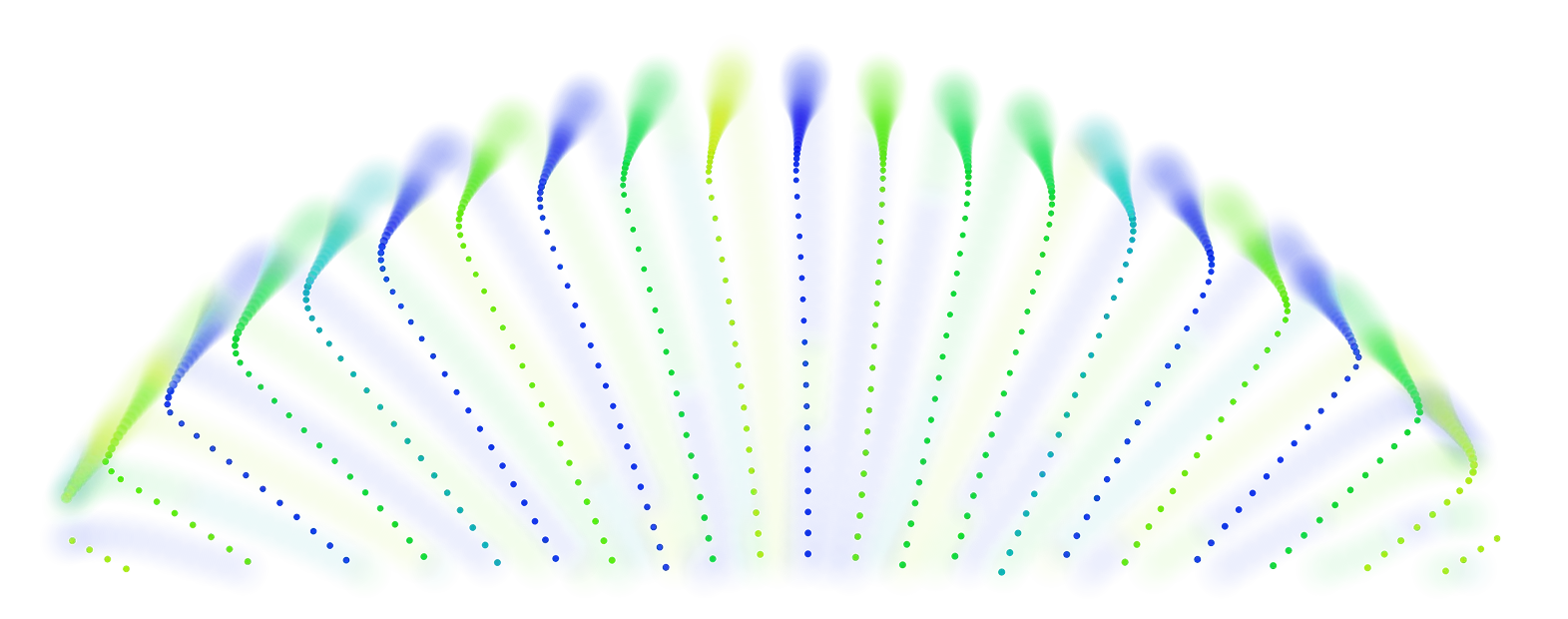
A qubit, or quantum bit, is the fundamental building block of quantum computing. While a classical bit can only store either 0 or 1, a qubit can exist in a superposition of both states, meaning it has a probability of being measured as 0 or 1.
A qubit’s state is expressed as: ∣ψ⟩=α∣0⟩+β∣1⟩
∣0⟩ and ∣1⟩ are the basis states (analogous to classical 0 and 1).
α and β are complex amplitudes.
∣α∣2 = probability of measuring the qubit as 0.
∣β∣2 = probability of measuring the qubit as 1.
Normalization requires ∣α∣2+∣β∣2=1.
Unique properties:
Superposition: A qubit can represent multiple states at once.
Entanglement: Qubits can be correlated in ways impossible for classical bits, enabling powerful computational effects.
Measurement collapse: Once measured, the qubit collapses to either 0 or 1, with probabilities determined by α and β.