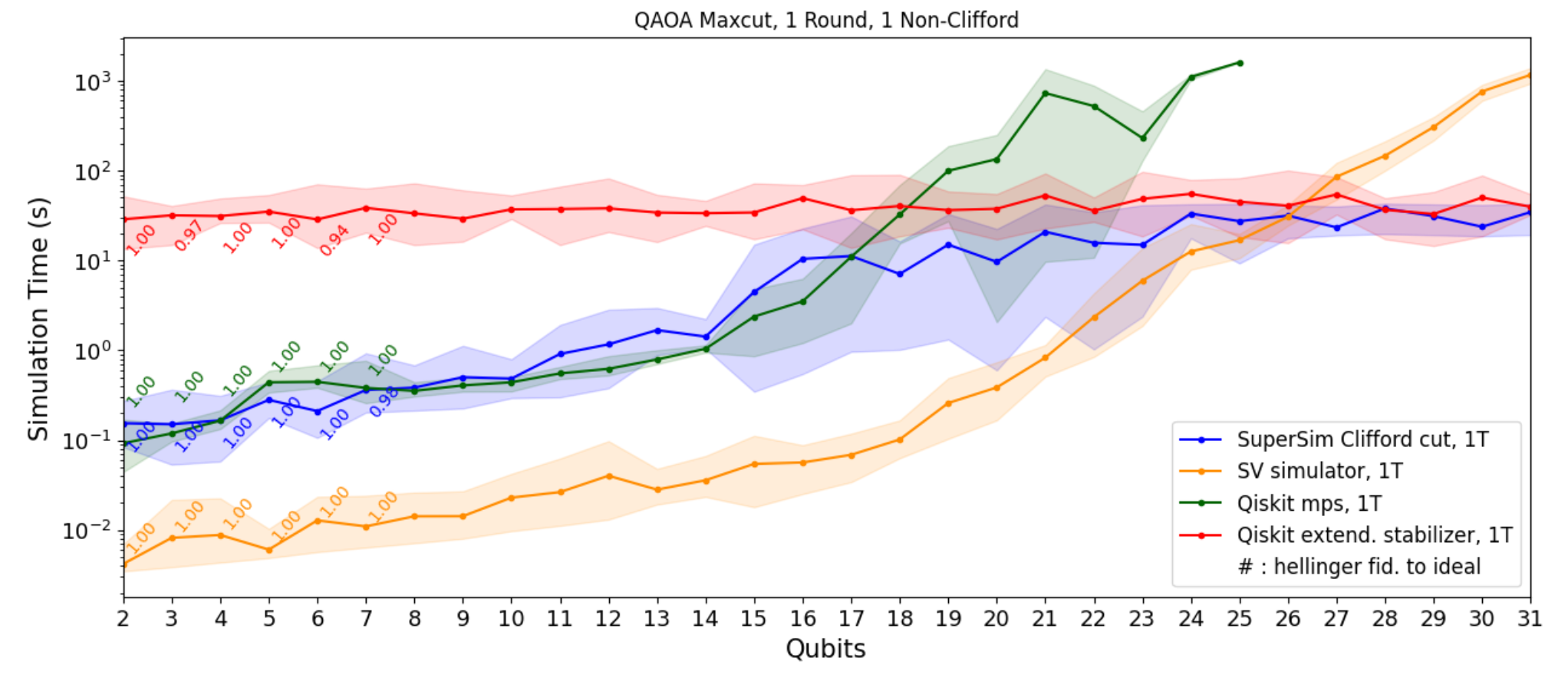
Argonne Researchers Optimize Toffoli with Superstaq
Our optimized Toffoli gate implementation demonstrates an 18% reduction in infidelity compared with the canonical implementation as benchmarked on IBM Jakarta with quantum process tomography.

Our optimized Toffoli gate implementation demonstrates an 18% reduction in infidelity compared with the canonical implementation as benchmarked on IBM Jakarta with quantum process tomography.
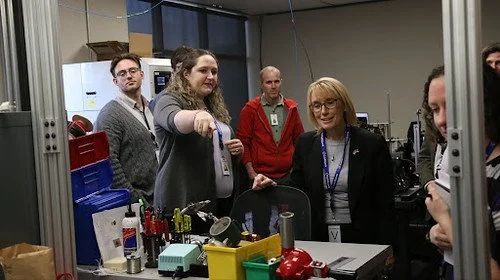
U.S. Senator Maggie Hassan (D-NH) met with military leaders, quantum technology experts, and cybersecurity professionals this week to hear about their research in quantum information sciences, as well as emerging quantum and cybersecurity threats, at sites in Colorado and New York.

Scott Faris, CEO of Infleqtion, is interviewed by Yuval Boger. Scott and Yuval talk about Infleqtion’s broad product portfolio, CEO tips for turning an organization into a product company, the importance of quantum clocks, and much more.
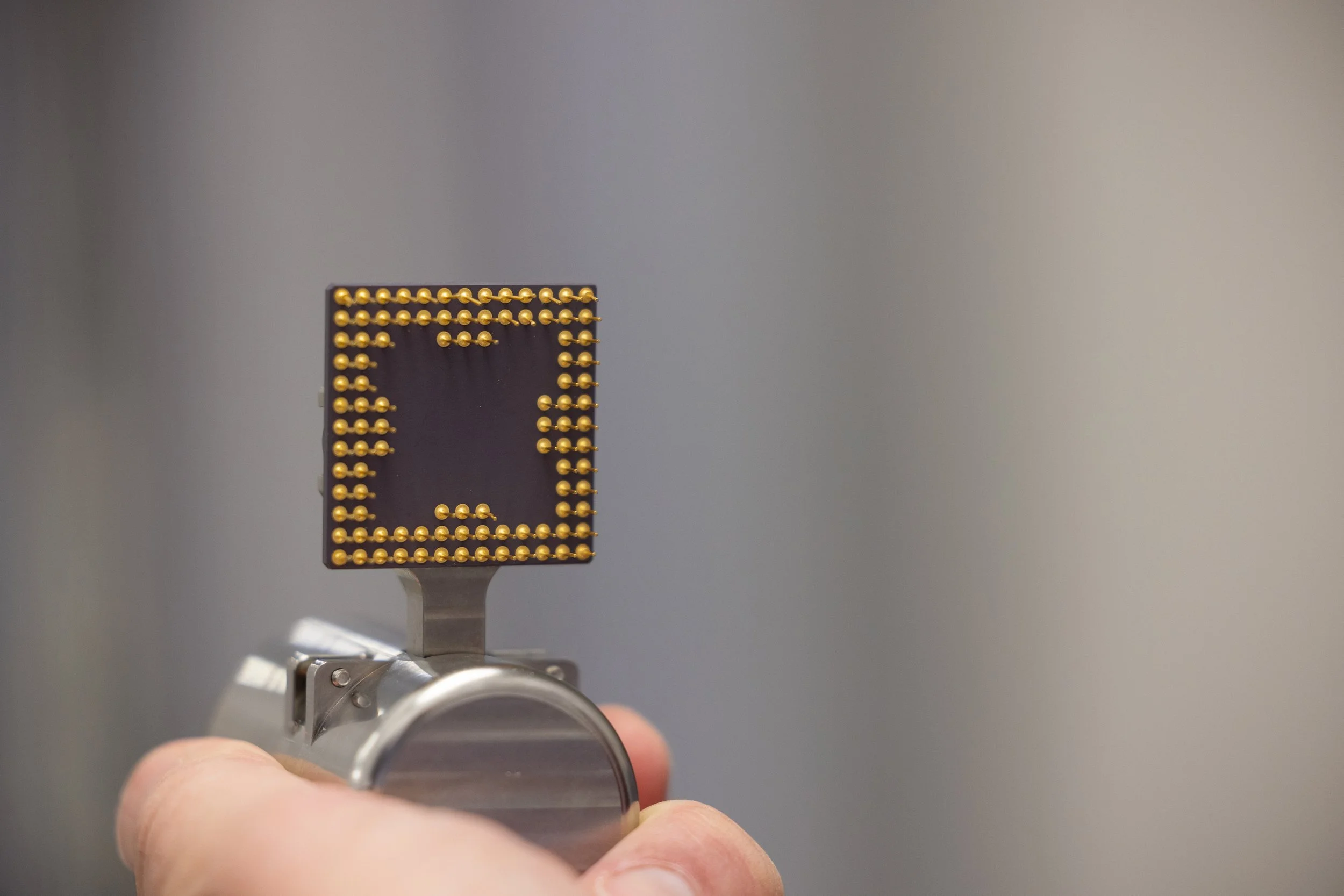
Infleqtion is collaborating with researchers at the University of Colorado Boulder (CU) to advance quantum sensing through machine learning techniques toward applications that require unprecedented positioning and navigation capabilities in real-world environments.
Sandia’s QSCOUT trapped ion testbed invited its new batch of its users to a two-day training, including onboarding to SuperstaQ.
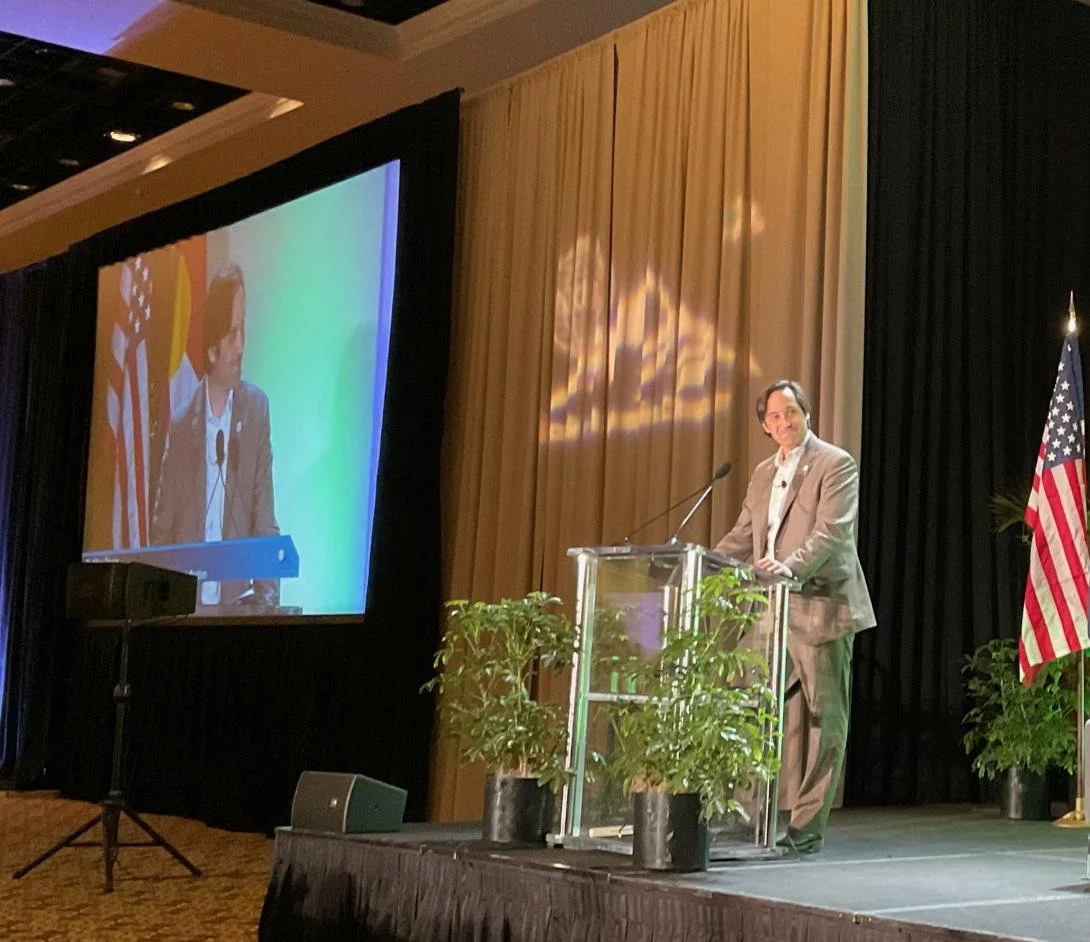
Quantum-based computing will, as is known, easily break the current cryptologic schemes widely used by the U.S. military and its allies. However, there are other quantum-based technologies to understand, including fully entangled network transmission, radio frequency communication and quantum clocks, advised Max Perez.

Jim most recently served as Director of Quantum Technologies at Australia’s national science agency, CSIRO. As President, Jim will be responsible for Infleqtion’s expansion into Australia and establishing the Asia-Pacific quantum computing and technology facility at Swinburne University of Technology.

Quantum sensing devices that can gather ultra-precise data are being readied to test in the sky — and could define warfare and intelligence gathering in the 21st century. Why it matters: Quantum computing usually gets the attention — and most of the funding — but quantum sensors are advancing quickly and are expected to be deployed sooner.